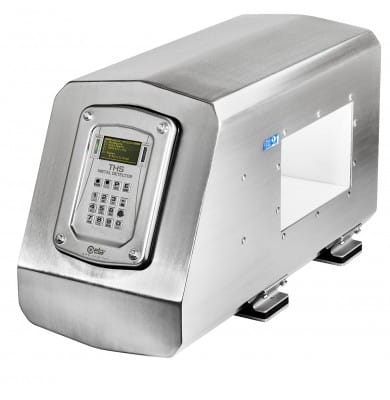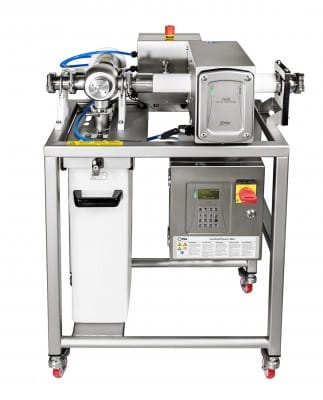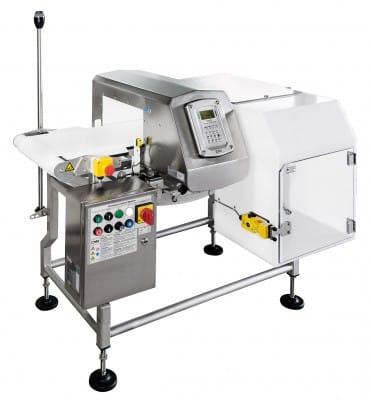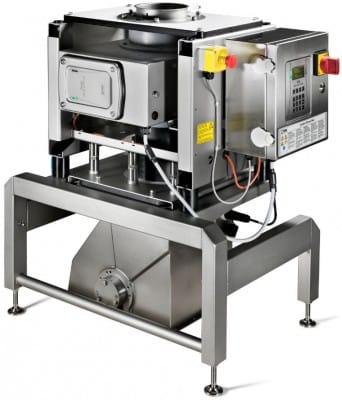
Metal Detectors
Metal detectors are advanced devices used across various industrial sectors to detect the presence of metal in products, materials, and production processes. They are an essential component of quality control systems and help prevent risks associated with the presence of foreign metallic objects in finished goods. Industrial metal detection is applied widely—from the food and pharmaceutical industries to packaging production.
CEIA Metal Detectors
One of the most frequently chosen manufacturers in the industrial metal detection market is CEIA, a company specialising in modern solutions for metal contamination control. CEIA metal detectors provide high accuracy, reliability, and performance, making them an excellent choice for many sectors. Thanks to advanced technologies, CEIA detectors are capable of identifying even the smallest metal contaminants—crucial in industries where product quality is of key importance.
How do metal detectors work?
Metal detectors operate based on electromagnetic principles. The device emits a magnetic field that interacts with metal present in the product. When metal is detected, the frequency of the magnetic field changes, and this alteration is recognised by the detector sensor. With advanced technologies, metal detectors can identify a wide range of metal sizes—from tiny particles to larger objects such as screws, nails, or other solid foreign bodies. These systems are engineered to work under demanding industrial conditions, delivering consistent performance and precise detection.
Applications of metal detection
Industrial metal detectors are used extensively across many sectors. They are indispensable in the food industry for detecting metal contaminants such as fragments, shavings, or machine parts in food products. This ensures food safety and protects consumers from ingesting harmful metallic fragments.
In the packaging industry, metal detectors help identify metal contamination in packaging materials such as plastic bottles or cartons. This is essential for product safety and proper storage requirements.