
Gentle Mixing Technology: Reducing Breakage, Segregation, and Product Degradation

Why Material Handling Matters
Many powders, granulates, pellets, and whole natural products are highly sensitive to mechanical stress during processing. While mixing is intended to improve uniformity, excessive agitation can unintentionally damage the material itself.
Common consequences include particle breakage, fines generation, segregation, and product degradation. These effects can reduce yield, compromise product quality, and increase processing costs. For fragile or high-value materials, preserving material integrity is just as important as achieving a homogeneous blend.
The Principles Behind Gentle Mixing
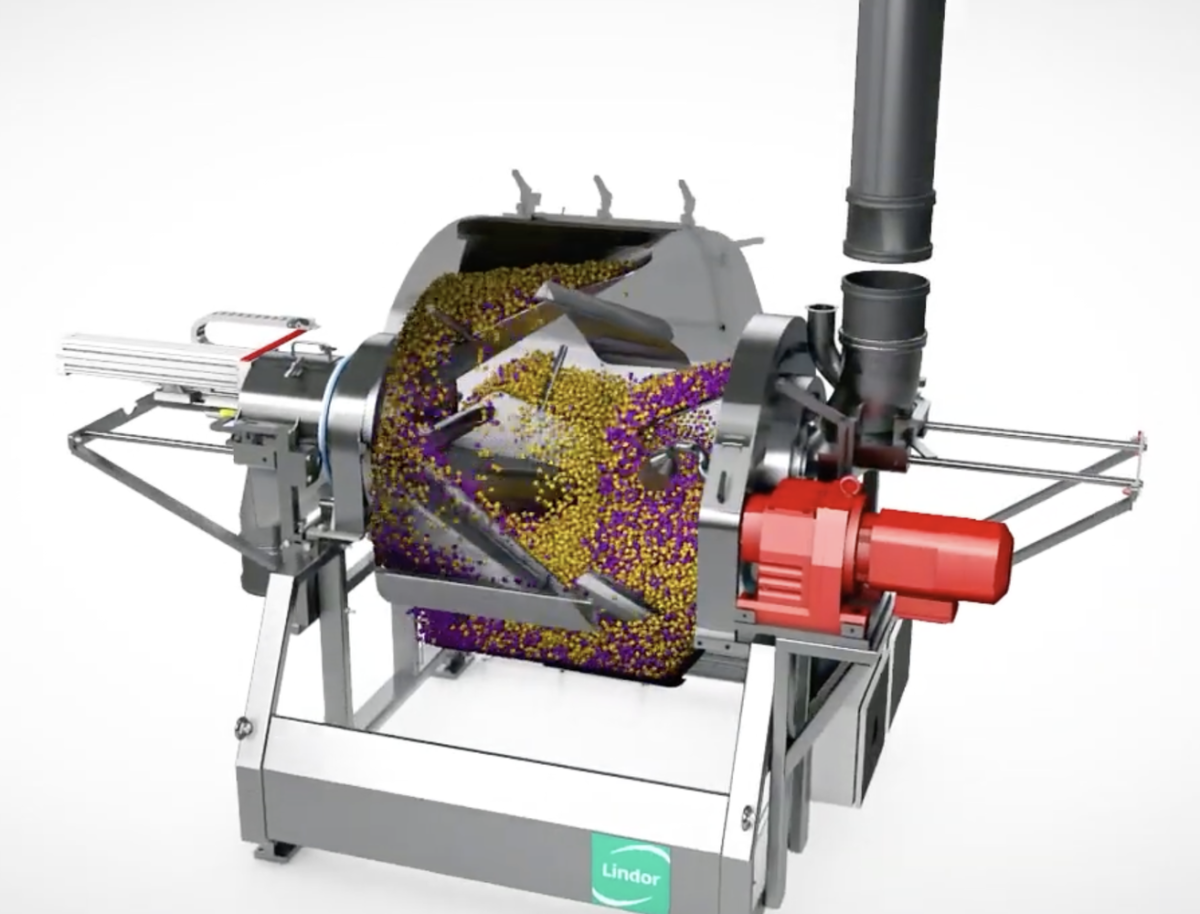
Gentle mixing technology is designed to minimize mechanical stress while still achieving consistent mixing performance. Instead of relying on high-speed agitation, it uses controlled tumbling motion to move materials through the process.
The Principles Behind Gentle Mixing
Inside a rotary drum mixer, materials lift and roll in a cascading pattern. This approach reduces impact forces, limits attrition, and helps maintain particle shape, and functional properties. By controlling energy input and residence time, gentle mixing can homogenize batches quickly without exposing materials to unnecessary stress.
Where Gentle Mixing Delivers Value
Gentle mixing is particularly effective when processing breakage-sensitive or high-value materials. Typical applications include specialty powders, polymer pellets, tea leaves, cereals, coated granules, additives, catalyst carriers, battery materials, and other products where particle integrity directly affects product performance.
When breakage, segregation, or degradation pose a risk, a low-shear approach can help maintain quality while reducing material loss and rework.